
3 Essential Pasta Recipes
TV Show wrapped. Bloom this weekend. Forty next week! Amitriciana for the win plus two from the archive.


Oh hello there!
I’m officially exhausted- We filmed a Christmas episode on the hottest day of the year so far this week, in an Irish kitchen, dressed to look like it could have been lifted out of the Tuscan hills. Terracotta tiles, copper pans, the works. Plating a duck under TV lights while the sun beat the stones outside and all the windows and doors were shut, was not for the faint hearted. The whole shoot wrapped on Wednesday and then I’ve been straight into Ireland’s biggest food and gardening festivals, Bloom this weekend, then a quiet stretch I've been counting down to since February.
Through all the 30 recipe we cooked over the last 3 weeks, I made a simple amatriciana, done right, guanciale, pecorino, splash of white wine and it was truly spectacular. As a TV cook you often have to sell the dish but this one was genuinely, hand on heart, the best meal I'd cooked in a month.
I don't mean that as a slight on the rest of the recipes but there's a particular kind of magic in a recipe so simple. Just pasta, fat, salt, and time. A good reminder of how good a recipe like that can be.


I know you will relate. You come out the back end of a stretch of intense work, the kind where you don't quite know what day it is and then it’s the most small useful things that feel like a kind of medicine. A proper walk in nature that you’d been putting off. A really good home cooked dinner with nobody stopping you. Weirdly enough after all the cooking I am excited to get cooking again but for my family. After a month of cooking for cameras, the simple Italian recipes are what I’m coming back to. The Roman pasta classics are built on four ingredients, give or take. Pasta. Pecorino. Guanciale. Pepper. The thing is that this type of cooking only works if your pantry is right. A great amatriciana from sad ingredients is impossible. So before we get to the recipes, here's what's actually on the shelf.
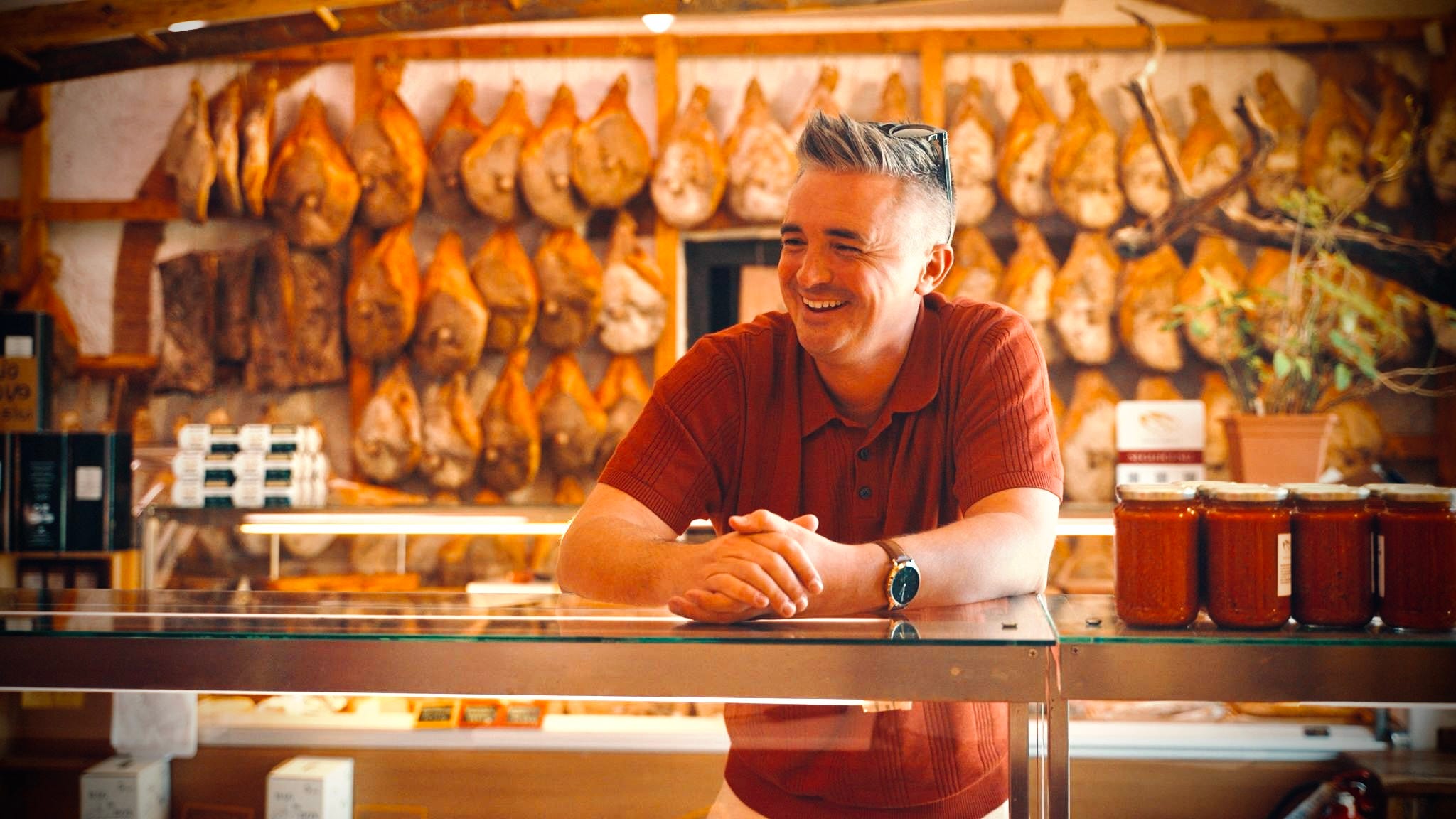
STOCK THE CUPBOARD
The Italian pantry
Seven things that do the work for you, if you let them.
Italian cooking is the most generous tradition in the world for a beginner, because most of it is built on a small group of ingredients that you can keep in a cupboard. All of them are worth buying the better version of. Most of what passes for "elevating a dish" in restaurant kitchens is actually just respecting the basics.
1. Olive oil
TWO BOTTLES, NO EXCEPTIONS
A cheap one for the pan that you won't been ruined when it hits high heat. A green-gold extra virgin for the plate. For finishing soups or dressing tomatoes. Sicilian, Tuscan, Pugliese, whatever you've found. The bottle that's been open in your cupboard for eight months has more than likely lost its magic. Buy something fresh and vibrant.
2. Tinned Tomatoes
SAN MARZANO IF YOU CAN
San Marzano DOP grow in volcanic soil south of Naples and are sweeter, less acidic, and most definitely worth the extra euro. Mutti, Cirio, or Solania, any of them will do you. Whole peeled plum, sitting in their own juice, not the pre-chopped ones.
3. Dried Pasta
BRONZE CUT, FROM THE SOUTH
Rummo, De Cecco, Garofalo. Slow-dried at low temperature with a rough, chalky surface which will help the sauce cling to it. This simple switch to bronze cut is one of the cheapest, most undersung upgrades you'll ever make. Keep five shapes on the pantry shelf- spaghetti, bucatini, rigatoni, penne, orecchiette and you can take on almost any sauce.
4. The Two Cheese
PARMIGIANO REGGIANO + PECORINO ROMANO
Buy real Parmigiano Reggiano with the rind on, wrapped in paper or waxed cloth, and kept in the cheese drawer. Pecorino Romano is sharper, saltier, the cheese many of the Roman pasta classics are built on. The rinds go into soups and ragùs for the savoury depth they give off. Never throw them away.


5. Cured Pork
GUANCIALE OR PANCETTA
Wrapped in paper in the fridge, it'll keep a month or so. Cut it by hand and add to a cold into a cold pan and render slowly and the fat that comes out of it is your sauce. Guanciale (cured pork cheek) if you can find it, pancetta (cured belly) if you can't.
6. Anchovies
THE MOST UNDERUSED THING IN MOST KITCHENS
Don’t be afraid. Two anchovy fillets melted into the bottom of any tomato sauce, ragù, or braise adds a savoury depth no one will identify as anchovy. They're not a fishy ingredient unless you tip the whole tin in. Buy them in good olive oil from a glass jar. Once you've cooked with them properly, you'll never go back.
7. Salt, pepper, chilli
WHOLE, NEVER PRE-GROUND
Fine sea salt for the pasta water, it should always be well seasoned. Flaky salt for finishing. Whole black peppercorns ground fresh; the pre-ground stuff is dust, with none of the perfume of the real thing. And a jar of dried chilli flakes for almost everything though never in addition to black pepper. Italian heat is restraint, a gentle hum.
THE THREE THIS WEEK
Three pastas to have in your back pocket
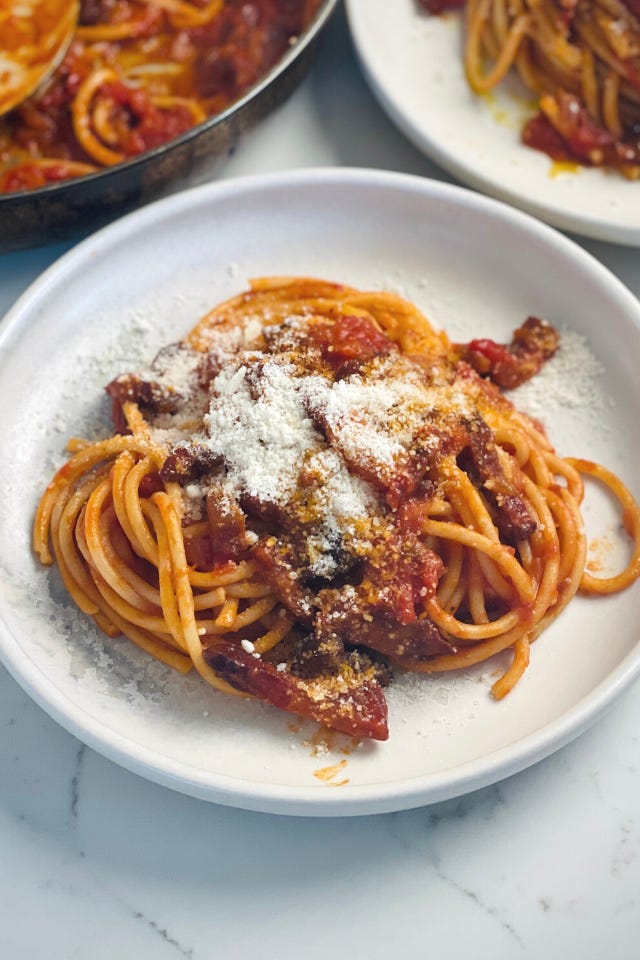
Pasta Amatriciana
20 MINUTES · SERVES 2–3 · ~€15–18
The one that started this. The whole post is built on this dish.
VIEW RECIPE
Four things worth knowing
Guanciale over pancetta
Cured pork cheek has more fat and a deeper flavour than belly. Worth seeking out at an Italian deli.
Don't drain the fat
Whatever renders out of the guanciale stays in the pan. That's the sauce.
Pecorino Romano, not Parmesan
Sharper, saltier, traditional. Parmesan's fine, but it's not the same dish.
A splash of pasta water at the end
Not optional. Tip a ladle in before you toss. The starchy water is what binds the sauce to the bucatini.
IF YOU CAN'T FIND IT
Guanciale → smoked pancetta
Pecorino Romano → 50/50 with parmesan, or parmesan at a real pinch
Bucatini → rigatoni, then spaghetti
San Marzano → any good Italian-grown plum tomato (not cherry)
Get the recipe!
2. THE CLASSIC
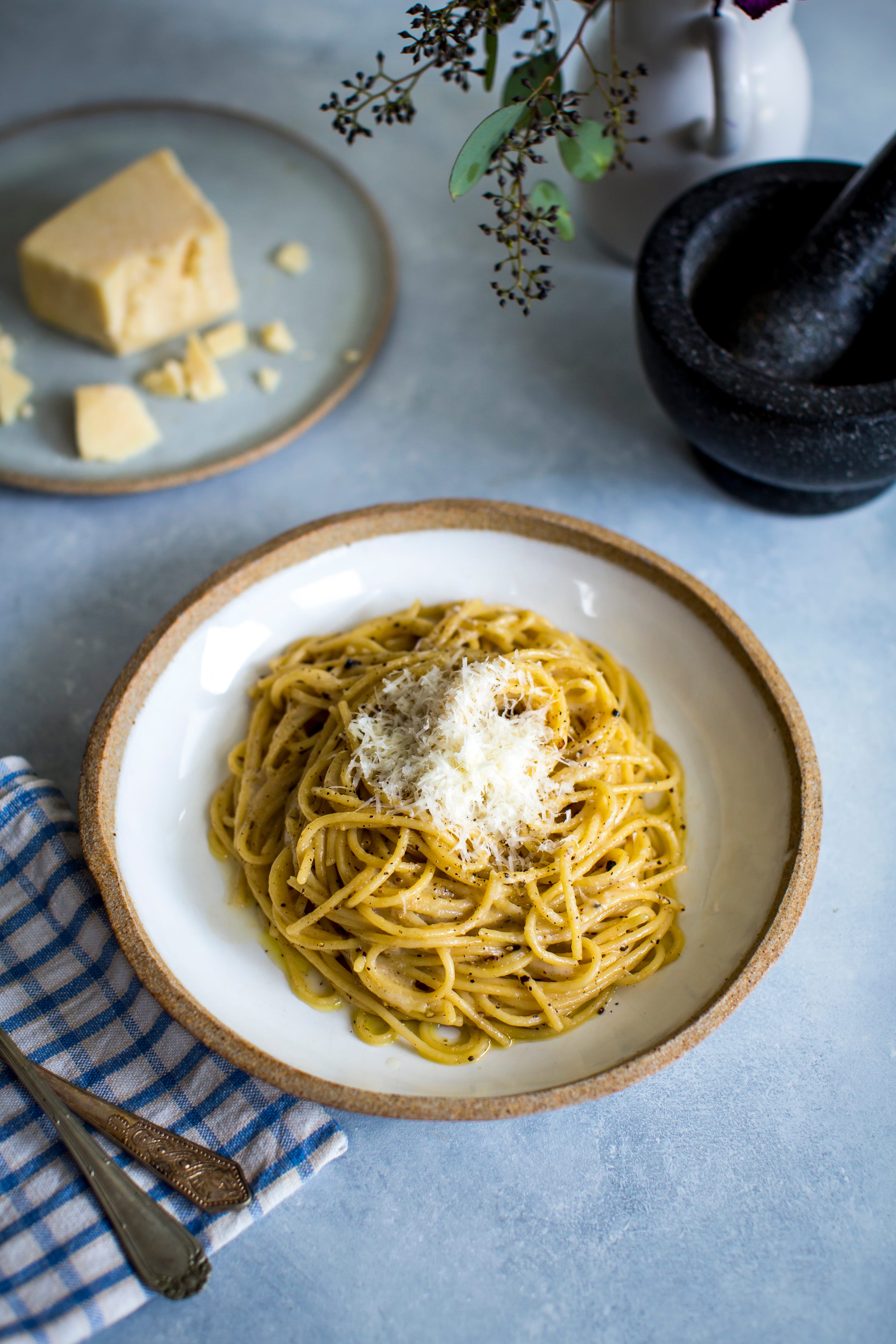
Cacio e Pepe
15 MINUTES · SERVES 2
Three ingredients. Pasta, pecorino, black pepper. When you can pull a smooth, glossy sauce out of nothing but cheese, pepper and starchy water, you'll understand what the Romans figured out two centuries before us.
Get the RECIPE
3. THE MOST MISTRANSLATED
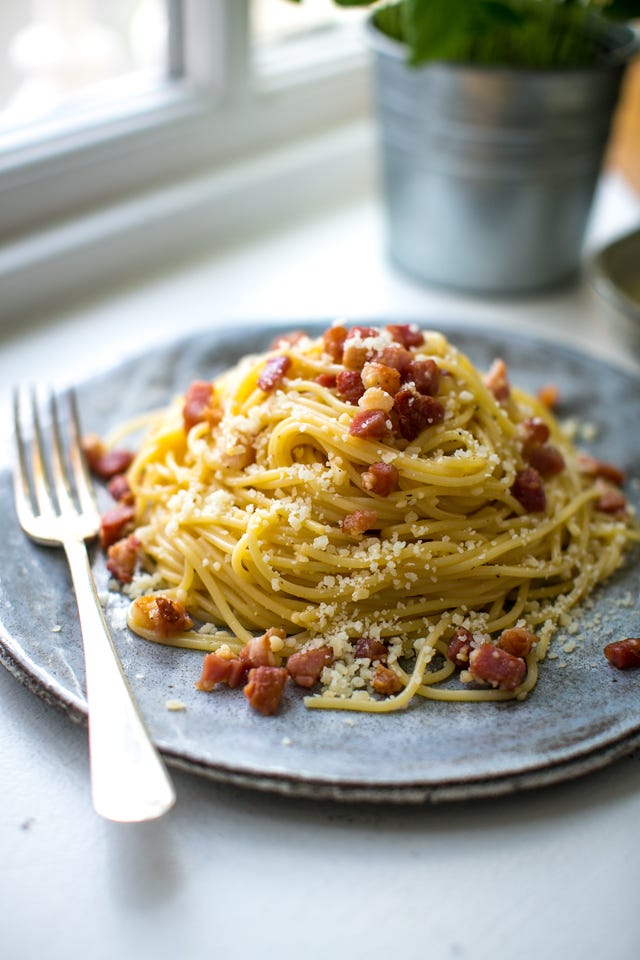
Spaghetti Carbonara
15 MINUTES · SERVES 2
The Roman pasta is most often mistranslated on its way out of Italy. The version I grew up with committed many crimes- cream, bacon, mushrooms, sorry mum! Real carbonara is eggs, pecorino, guanciale, pasta water, and pepper. Off the heat at the end, so the yolks don't scramble. Once you've made it the right way, you never go back.
Get the RECIPE
AROUND THE KITCHEN
Four More Things, briefly
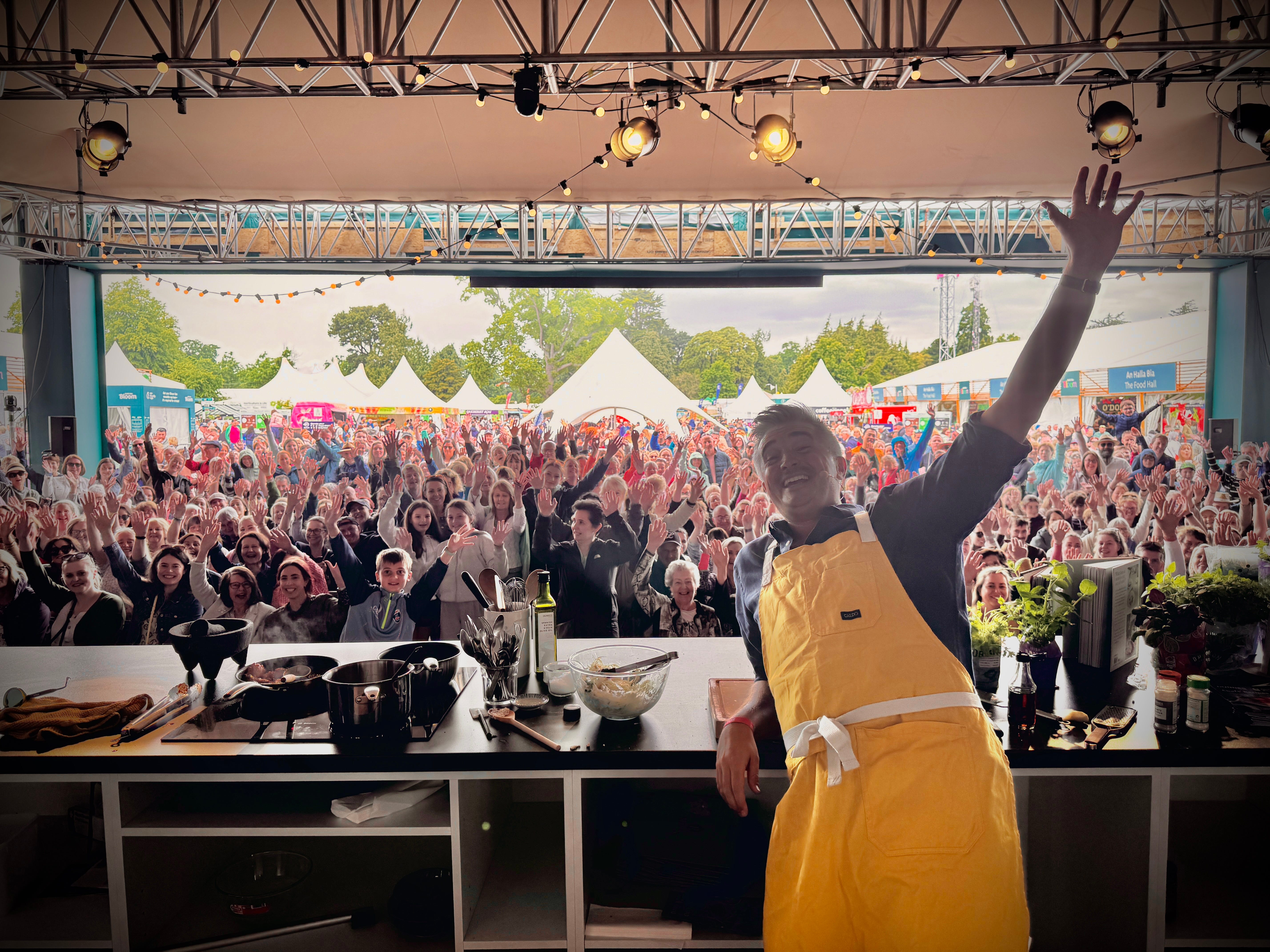
Bloom this weekend. Friday through Sunday at the Phoenix Park, on the Dunnes Quality Kitchen stage- I’m giving demos all weekend. If you're in Dublin, come say hello.
Turning 40 next week. Plans: a quiet weekend. Possibly a swim. Possibly that carbonara, the right way.
Strawberry season. The first proper Irish ones arrived. Sitting on the kitchen counter, eaten standing up. Worth the wait.
On the shelf. Currently reading Shane Smith’s Loaf Tin Bakes- order here.
FROM THE COMMENTS
What you said about Italy
Last week's Letter ("Italy ate me alive") drew the warmest reply thread I've had in a while. Two comments I loved:
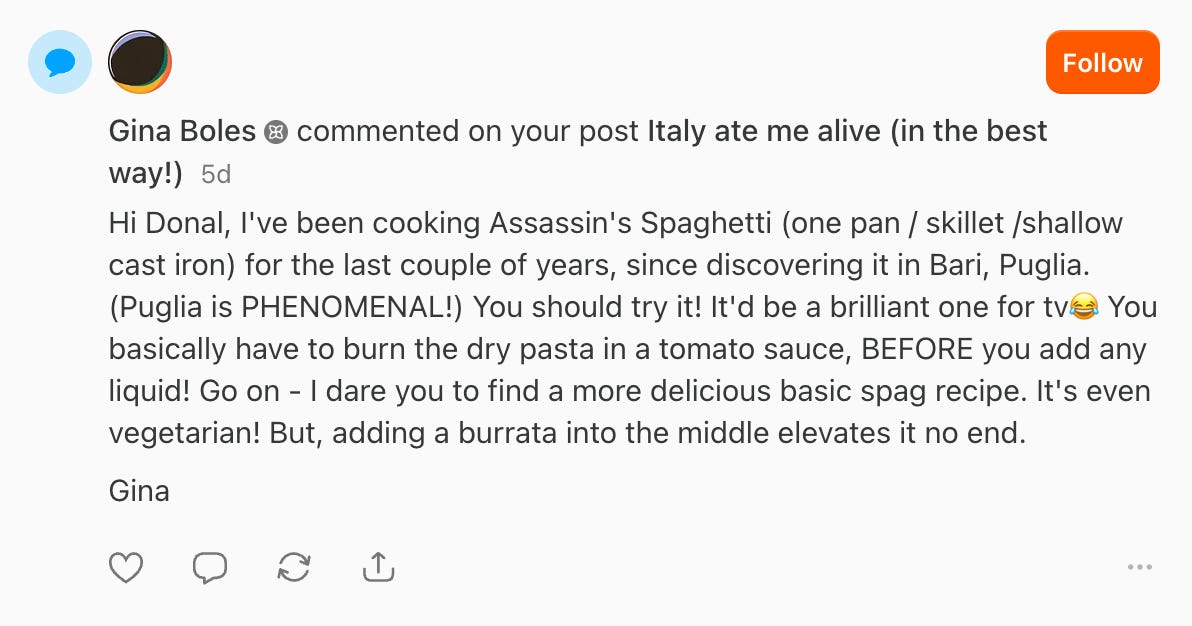

Keep them coming. I read every reply.
These look fabulous Donal but where do you purchase San Marzano DOP or Mutti, Cirio, or Solania?
Or the Dried Pasta
BRONZE CUT, FROM THE SOUTH
Rummo, De Cecco, Garofalo.
Thanks Deirdre
Happy birthday Donal!!! Welcome to the best decade yet! 🤪